


Across British Columbia—from Kelowna to the coast and the north—many men are quietly carrying heavy internal loads. Work stress, family responsibility, financial pressure, unresolved trauma, and the silent weight of expectations can accumulate over time. Yet many men have never been given a healthy outlet to process these pressures.
In Men’s Therapy, one theme emerges again and again: men heal faster when they are not doing life alone.
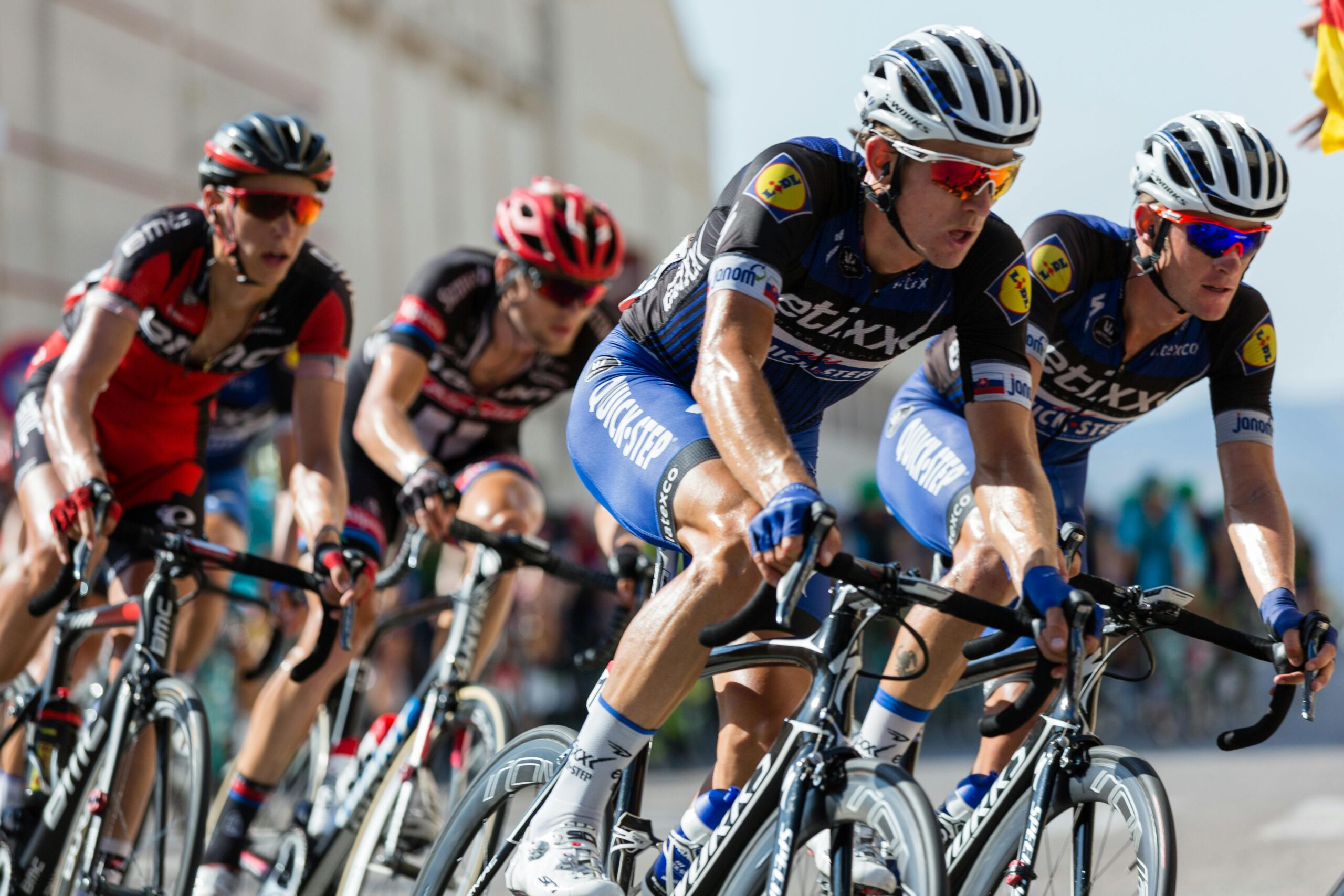
There is something deeply regulating about men gathering outdoors, working toward a shared challenge, and pushing themselves physically and mentally together. Whether it’s a difficult hike, a trail race, building something by hand, or embarking on an outdoor adventure, these experiences tap into something ancient and necessary in male psychology.
For men seeking Counselling, understanding the importance of these experiences can be a powerful step toward improving mental health, reducing isolation, and building meaningful connection.
The Silent Struggle Many Men Carry
Many men grow up receiving subtle messages that shape how they deal with pain:
- Be strong
- Don’t complain
- Handle it yourself
- Don’t burden others
While these messages can cultivate resilience, they can also create emotional isolation. Over time, unresolved stress can manifest as Male Depression, irritability, numbness, low motivation, or burnout.
In Men’s Trauma Therapy, we often see that trauma and stress don’t only live in the mind—they live in the body and nervous system. Talking about experiences is important, but healing also requires physical movement, connection, and meaningful challenge.
This is where the outdoors and shared hardship can play a powerful role.
Why Shared Challenge Is So Powerful for Men
Throughout human history, men rarely faced hardship alone.
They hunted together.
They built shelters together.
They travelled long distances together.
These experiences created trust, belonging, and emotional safety.
Modern life, however, has removed many of these shared experiences. Many men now spend their days sitting at desks, commuting, and interacting primarily through screens. The physical and social environments that once supported male bonding have largely disappeared.
Research in psychology and neuroscience consistently shows that physical exertion, time in nature, and social bonding can significantly improve mood regulation and reduce symptoms associated with Male Depression.
When these three elements are combined, the impact becomes even stronger.
Examples of shared challenges include:
- Training for a race together
- Hiking a difficult trail
- Backcountry camping trips
- Building something outdoors
- Ice baths or cold water plunges
- Mountain biking or trail running
- Long-distance endurance challenges
These experiences activate the body, require cooperation, and foster trust.
And importantly, they often create a space where real conversations naturally emerge.
Nature Regulates the Nervous System
Time outdoors has measurable psychological benefits.
Studies have shown that spending time in natural environments can:
- Reduce cortisol (the stress hormone)
- Improve mood and emotional regulation
- Increase feelings of vitality and energy
- Reduce symptoms of anxiety and depression
For men navigating stress, trauma, or burnout, these benefits can be incredibly valuable.
In Men’s Trauma Therapy, we often discuss how trauma dysregulates the nervous system. Activities that involve rhythmic movement—like hiking, running, chopping wood, paddling, or climbing—can help regulate that system.
When those activities happen in nature, the effect deepens.
When they happen alongside other men who are sharing the challenge, the benefits multiply.
The Power of Male Brotherhood
Men often connect differently than women. While conversation is important, many men feel more comfortable opening up while doing something together rather than sitting face-to-face discussing emotions.
This is sometimes called “side-by-side communication.”
Think about two men hiking up a mountain trail.
The conversation may begin casually:
“How’s work going?”
But somewhere along the trail, the conversation deepens:
“Honestly… things have been pretty heavy lately.”
The physical movement lowers psychological defenses. The shared effort creates trust. The environment feels less clinical and more human.
For men who are exploring Men’s counselling in Kelowna or across British Columbia through online sessions, incorporating outdoor connection into life outside therapy can dramatically support emotional progress.
Hard Things Build Confidence
Many men struggle with feelings of inadequacy, particularly those navigating Male Depression or recovering from trauma.
Taking on a meaningful challenge can rebuild confidence in ways that talking alone sometimes cannot.
When a man:
- finishes a difficult hike
- completes a race he trained months for
- builds something with his hands
- pushes through physical discomfort
his nervous system registers a powerful message:
“I am capable.”
These moments become psychological reference points.
In Clinical Counselling for Men in Kelowna and throughout BC, we often encourage men to intentionally pursue challenges that stretch them physically and mentally. These experiences can shift identity from:
“I’m stuck.”
to
“I can handle hard things.”
Reflection Prompts for Men
If you’re reading this and recognizing a desire for deeper connection or challenge in your life, consider reflecting on the following questions:
1. When was the last time I did something physically challenging with other men?
2. Do I currently have male friendships that involve shared activities or challenges?
3. When I feel stressed or overwhelmed, do I isolate—or do I reach out to others?
4. What kind of outdoor challenge would excite me or push me outside my comfort zone?
5. Who is one person I could invite to join me in a shared challenge this month?
These questions may seem simple, but they often reveal important insights about how men structure connection and stress relief in their lives.
Therapy Is Not Meant to Replace Brotherhood
While Men’s Therapy plays an important role in helping men process trauma, regulate emotions, and develop healthier patterns, therapy is not meant to exist in isolation from the rest of life.
The most sustainable mental health improvements often occur when therapy is paired with:
- physical activity
- meaningful male friendships
- time in nature
- purpose-driven challenges
These elements reinforce the work done in therapy and help men integrate change into their daily lives.
For men seeking Counselling for Men or Men’s Trauma Therapy, developing these areas can accelerate progress and deepen emotional resilience.
Supporting Men Across Kelowna and British Columbia
Men everywhere face similar struggles—whether they live in Kelowna, Vancouver, northern BC, or smaller communities throughout the province.
While this practice offers Clinical Counselling for Men in Kelowna, many men across British Columbia also access support through secure online sessions. This allows men throughout the province to receive specialized Men’s Therapy without needing to live in the same city.
No matter where you are located, the challenges men face around trauma, stress, identity, and emotional connection are remarkably similar.
And so are the paths toward healing.
The Takeaway
Men were never meant to face life alone.
We are wired for challenge, movement, and brotherhood.
When men come together outdoors to push themselves, something powerful happens:
Stress begins to release.
Conversations deepen.
Confidence grows.
Connection forms.
Whether you’re navigating stress, burnout, Male Depression, or deeper trauma, integrating shared outdoor challenges into your life can become a powerful part of your mental health foundation.
And if you find that the weight you’re carrying feels too heavy to manage alone, seeking Men’s counselling in Kelowna or online Counselling for Men across British Columbia can provide the support and guidance needed to move forward.
Sometimes healing begins with a conversation.
Sometimes it begins with a hard hike and a trusted friend.
Often, it begins with both.